
Compare Local Contractors for Residential Roof Replacement Success
Compare local contractors to define project scope, verify experience, and set clear expectations for a successful residential roof replacement.
Residential roof replacement involves removing an existing roof and installing a new roofing system that protects the home from weather elements. This work typically includes assessing the current roof’s condition, selecting appropriate materials, and ensuring proper installation to enhance durability and functionality. Contractors often handle tasks such as removing old roofing layers, repairing underlying structures if needed, and installing new shingles, tiles, or other roofing materials. Properly executed roof replacement can improve a home’s appearance, increase its lifespan, and provide peace of mind against future weather-related issues.
Defining the scope of work is a crucial step in the roof replacement process. Clearly outlining what the project includes-such as the extent of tear-off, repairs to underlying decking, or specific material choices-helps prevent misunderstandings and sets realistic expectations. A detailed scope also ensures that property owners and contractors are aligned on the work to be performed, which can reduce the likelihood of disputes or surprises during the project. Writing the scope of work down provides a reference point that can be revisited if questions or issues arise later in the process.
When comparing local contractors for a residential roof replacement, property owners should consider several factors to make informed choices. It’s helpful to verify each contractor’s experience with similar projects and ask about their familiarity with local building codes and climate considerations. Reviewing their reputation through references or reviews can provide insights into their reliability and quality of work. Additionally, requesting detailed written proposals that specify the scope, materials, and responsibilities can make it easier to compare options objectively. Taking these steps helps ensure that the chosen service provider is well-equipped to handle the specific needs of the home and property owner’s expectations.
Compare local contractors by outlining your project priorities, verifying experience, and setting clear expectations in writing.
- Compare Contractors - Review multiple local service providers to evaluate their experience and service offerings.
- Define Scope - Clearly outline the work to be completed to ensure all parties have aligned expectations.
- Verify Experience - Confirm the backgrounds and previous work of contractors to assess their suitability.
- Document Details - Keep written records of project scope, agreements, and expectations for clarity and accountability.
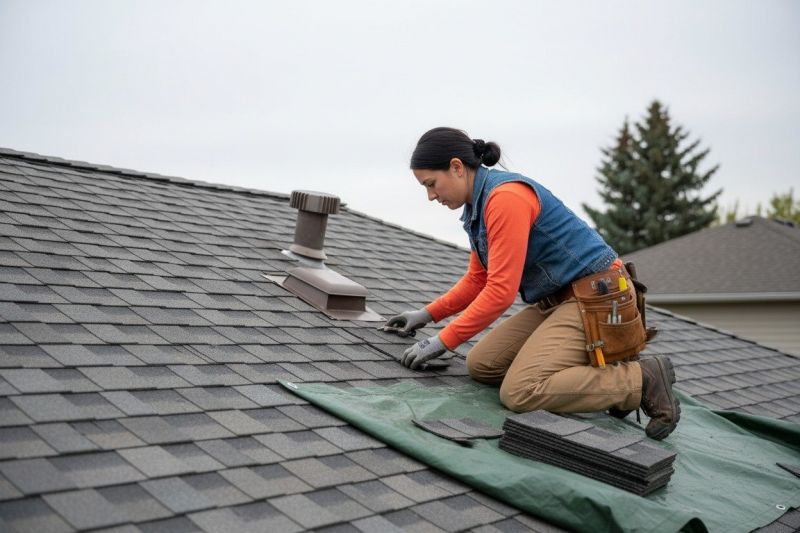
Clearly describe your residential roof replacement project to effectively compare local contractors, verify experience, and set expectations in writing.
- Verify experience and references of local contractors to ensure they have a proven track record with residential roof replacements. - Review previous work and client feedback to assess the quality and reliability of the service provider.
- Define the scope of work clearly in writing, including materials, roof type, and any additional services needed. - Ensure all project details are documented to prevent misunderstandings and scope creep.
- Compare multiple local contractors to evaluate their approaches, communication, and professionalism. - Gathering different perspectives helps identify the most suitable service providers for the project.
- Check that the contractor provides a detailed written estimate outlining the scope, materials, and work to be performed. - A comprehensive estimate helps set clear expectations and prevents surprises during the project.
- Confirm that the contractor is familiar with local building codes and permits required for residential roof replacement. - Ensuring compliance with local regulations avoids potential legal issues or project delays.
- Discuss the warranty coverage and post-installation support offered by each contractor to understand what is included. - Clear warranty terms help protect the investment and provide peace of mind after the job is completed.
Use this to compare contractors, clarify project scope, verify experience, and set clear expectations.

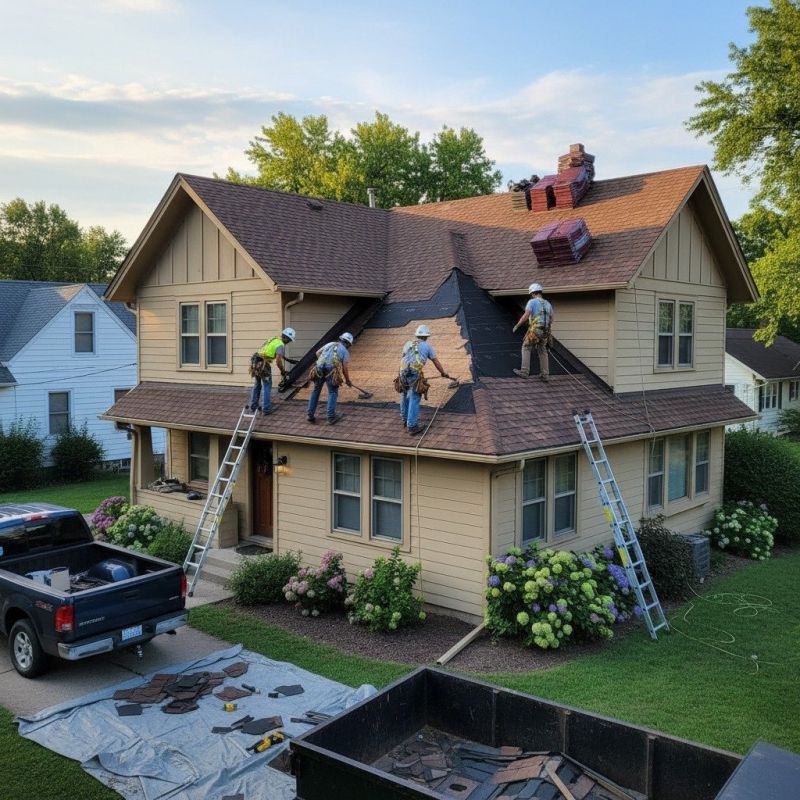


Use consistent comparison criteria across local contractors by clearly defining scope, verifying experience, and setting written expectations.
- Scope Definition - Clearly outline the specific work included in the roof replacement project, such as materials, layers, and any additional repairs.
- Material Selection - Identify the types of roofing materials to be used and ensure they meet the desired durability and aesthetic preferences.
- Project Requirements - Specify the necessary preparations, access points, and any structural assessments needed before work begins.
- Work Limitations - Define what is outside the scope of the project to prevent misunderstandings about included services.
- Documentation Expectations - Establish the importance of written agreements detailing the scope to ensure all parties have a clear understanding of the work.
When comparing contractors for residential roof replacement, it is important to evaluate their experience with similar projects. Homeowners should seek service providers who have a proven track record of completing roof replacements on homes comparable in size, style, and roofing materials. Asking about previous work can help determine if a contractor has the relevant expertise and familiarity with the specific challenges that may arise during a project. This focus on relevant experience ensures that the contractor understands the unique aspects of the home and can deliver results aligned with expectations.
A clear, written scope of work is essential when assessing different service providers. The scope should detail the specific tasks involved in the roof replacement, including removal of existing materials, installation procedures, and any additional work such as flashing or ventilation upgrades. Having a detailed description helps prevent misunderstandings and provides a basis for comparing what each contractor plans to deliver. Homeowners should review the scope carefully to ensure it covers all necessary aspects of the project and aligns with their needs.
Verification basics are key to confidently evaluating local contractors. While licensing and certification are not the focus here, homeowners can verify references, review past project portfolios, and check for any complaints or disputes with local consumer protection agencies. Asking contractors for references from recent clients allows for firsthand insights into their work quality and professionalism. Gathering this information helps build a clearer picture of each service provider’s reliability and ability to handle the scope of a residential roof replacement.
Evaluating options without considering prices involves focusing on the quality of proposals, the clarity of communication, and the professionalism demonstrated during interactions. Homeowners should compare how well each contractor understands the project scope, the specificity of their written proposals, and their responsiveness to questions. Assessing these aspects allows for an informed decision based on the contractor’s experience, clarity, and approach, rather than solely on cost. This method ensures that the chosen service provider is capable of delivering a high standard of work aligned with the homeowner’s expectations.
Ask contractors to provide written scope details to ensure clear expectations and consistent project understanding.
- Experience and Credentials - What specific experience do the local contractors have with residential roof replacements similar to this project?
- Scope of Work - How do the service providers define and outline the scope of the roof replacement to ensure all necessary tasks are included?
- Project Details - What materials, techniques, and processes will the contractors use, and how are these documented in the scope?
- Comparison of Services - How do the local contractors differentiate their services and approaches to help clarify what is included in their scope?
- Written Agreements - Are the project scope, expectations, and responsibilities clearly detailed in a written agreement before work begins?
What should I consider when comparing residential roof replacement contractors? Focus on their experience, reputation, and the scope of services offered to ensure they can meet your specific roofing needs.
How can I verify a contractor’s experience for roof replacement projects? Review their portfolio of completed jobs, ask for references, and check how long they have been working in residential roofing.
Why is it important to define the scope of work in writing? Having a clear, written scope helps set expectations, prevents misunderstandings, and ensures all parties agree on the project details.
What questions should I ask contractors during the comparison process? Inquire about their previous work, approach to project management, and how they handle unexpected issues or changes during the job.
How can I ensure a contractor’s reliability for my roof replacement? Look for contractors with a solid track record, positive references, and a transparent process for defining project details and expectations.
What role does communication play when working with a residential roofing contractor? Clear and consistent communication helps ensure that the project scope, expectations, and any concerns are addressed effectively throughout the process.
This page has provided an overview of key steps to consider when selecting contractors for residential roof replacement. Visitors have learned how to define the scope of work, verify the experience of service providers, and ensure that project expectations are clearly outlined in writing. Taking these measures can help facilitate a smoother process when comparing options among local contractors.
To find the right service providers for a roof replacement, use the quote form to connect with local contractors who can handle the job. Comparing multiple options allows for a better understanding of available services and helps identify the best fit for specific project needs.