
Compare Local Contractors for Roof Sealing Projects
Compare local contractors for roof sealing to define scope, verify experience, and set clear expectations for a successful project.
Roof sealing services typically involve applying protective coatings or sealants to a roof's surface to prevent water intrusion, reduce leaks, and extend the lifespan of the roofing system. This work can include surface preparation, such as cleaning and minor repairs, followed by the application of specialized materials designed to create a durable barrier against the elements. Proper roof sealing not only helps maintain the structural integrity of a property but also contributes to energy efficiency by reducing air leaks and temperature fluctuations inside the building.
Defining the scope of roof sealing work is essential for property owners to ensure clarity and effective communication with contractors. Clearly outlining what areas need sealing, the type of materials to be used, and any specific concerns or conditions can help prevent misunderstandings and set realistic expectations. A well-documented scope also facilitates accurate comparisons between service providers, making it easier to evaluate their experience, approach, and attention to detail.
When choosing local contractors for roof sealing, property owners should consider factors such as experience with similar projects, reputation within the community, and the methods they employ. Comparing multiple service providers involves reviewing their credentials, asking about their process for assessing and preparing roofs, and verifying their understanding of the project’s scope. Gathering detailed proposals in writing allows for side-by-side comparisons, ensuring that expectations are aligned and that the selected contractor is equipped to meet the specific needs of the property.
Compare local contractors by outlining your project priorities, verifying experience, and setting clear expectations in writing.
- Compare Contractor Experience - Review the background and past work of local contractors to assess their expertise in roof sealing.
- Define Project Scope Clearly - Establish detailed work descriptions to ensure all parties understand the required services.
- Verify Credentials and References - Check references and previous projects to confirm the reliability of service providers.
- Document Expectations in Writing - Create a written agreement outlining the scope, responsibilities, and deliverables for the project.
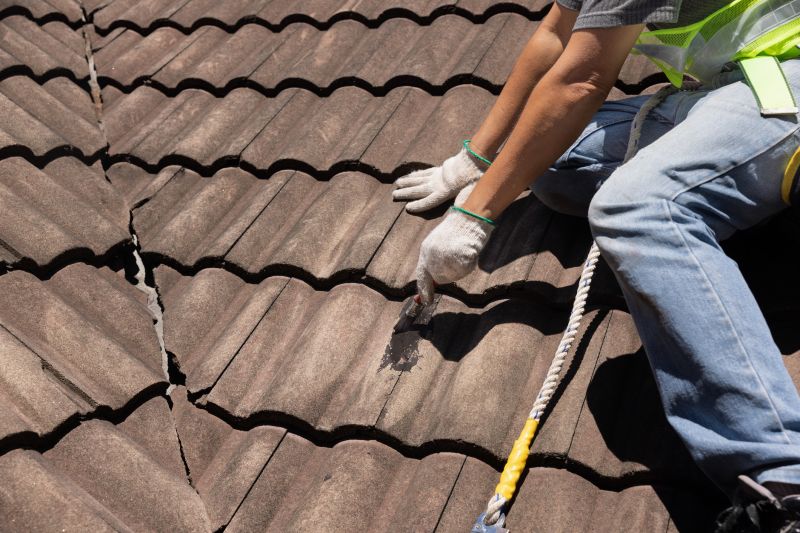
Compare local contractors by clearly describing your roof sealing project, defining scope, verifying experience, and setting written expectations.
- Verify experience and expertise in roof sealing projects to ensure quality workmanship. - Ensure service providers have a proven track record with similar roof types and sealing methods.
- Define the scope of work clearly, including areas to be sealed and materials to be used. - Clarify what is included in the project to prevent misunderstandings and scope creep.
- Request detailed written estimates that outline the work to be performed and materials involved. - Comparing comprehensive written proposals helps evaluate the thoroughness of each contractor’s approach.
- Check references or reviews to assess the reliability and performance of local contractors. - Feedback from previous clients can provide insight into the contractor’s professionalism and quality.
- Confirm that the scope, materials, and expectations are documented in a formal contract or work order. - A written agreement helps set clear expectations and provides a reference point throughout the project.
- Assess the contractor’s communication style and responsiveness to ensure clear and consistent contact throughout the process. - Effective communication is essential for addressing questions and clarifying project details.
Compare local contractors, verify experience, and clearly define scope to ensure successful roof sealing projects.
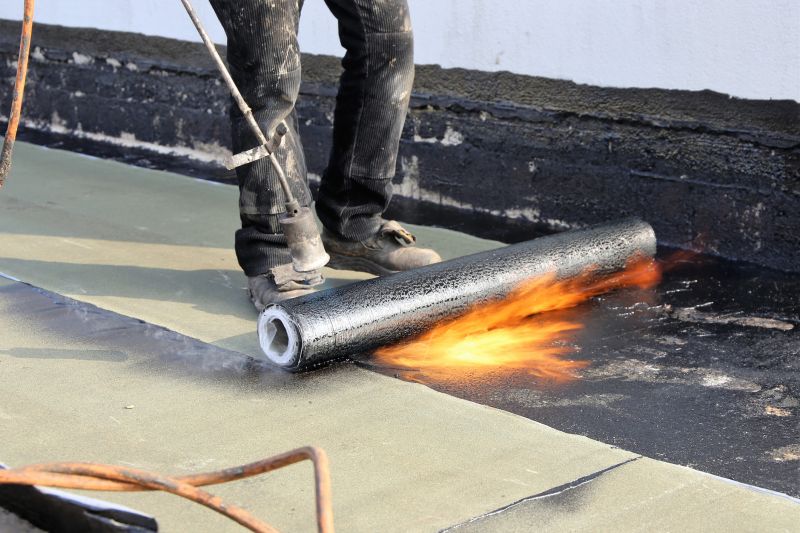
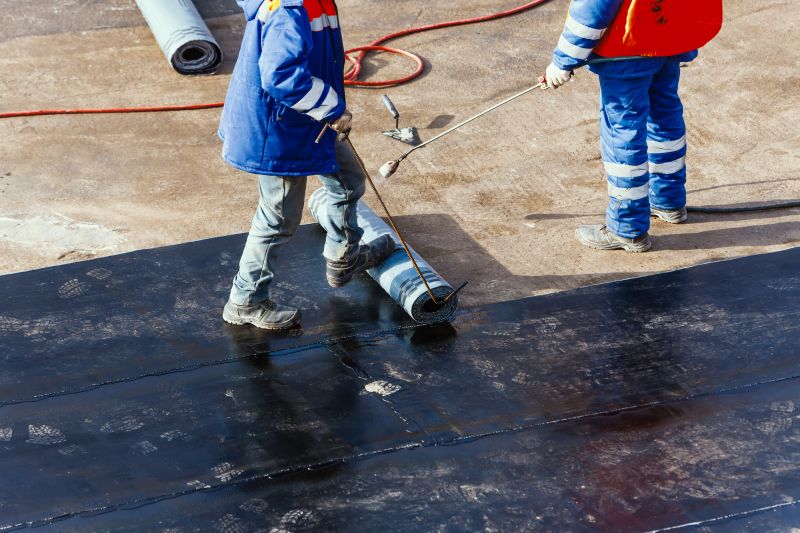
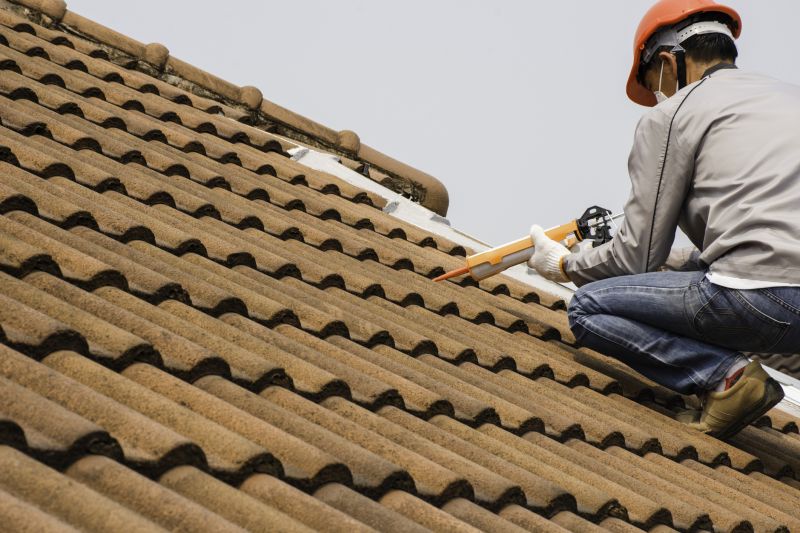
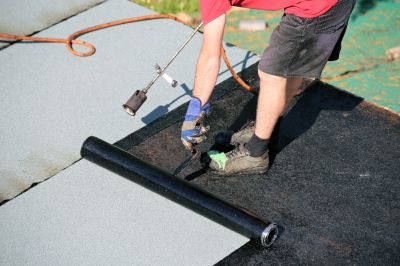
Learn how to compare local contractors for roof sealing by defining scope, verifying experience, and setting clear expectations.
- Define the scope of roof sealing work to clarify the specific areas and materials involved in the project.
- Verify the experience of local contractors to ensure they have relevant expertise in roof sealing services.
- Establish clear expectations in writing by outlining the work details, materials, and standards to be followed.
- Compare the services offered by different local service providers to evaluate their approaches and capabilities.
- Request detailed descriptions of the sealing methods and materials used to assess the quality and suitability for the roof.
When comparing contractors for roof sealing, it is important to evaluate their experience with similar projects. Homeowners should inquire about the types of roofs the service providers have worked on and whether they have handled sealing jobs comparable in size and complexity. Contractors with a proven track record in completing projects similar to the one at hand are more likely to understand the specific challenges involved and deliver results that meet expectations. Gathering details about their past work can help ensure that the chosen service providers possess the relevant expertise for the job.
A clear, written scope of work is essential when assessing different contractors. This document should outline the specific tasks involved in the roof sealing process, including surface preparation, materials to be used, and any additional services that may be necessary. Having a detailed scope helps prevent misunderstandings and ensures that all parties share the same expectations. Homeowners are encouraged to request this information early in the process and review it carefully to confirm that it aligns with their project needs.
Verification basics involve confirming that service providers can substantiate their experience and capabilities. Homeowners should ask for references or examples of completed projects similar to theirs, and verify that the contractors can provide sufficient details about their work. It is also helpful to understand the methods and materials the contractors plan to use, ensuring they align with industry standards and best practices. While formal licensing is not a focus here, verifying a contractor’s background and track record can help identify those who are well-qualified for the specific roof sealing project.
Evaluating options without discussing prices involves focusing on the quality of the proposals and the professionalism of the service providers. Homeowners should compare the clarity of the scope of work, the level of experience demonstrated, and the thoroughness of the written proposals. Asking questions about the process, materials, and project management can provide insight into the contractor’s approach and reliability. By concentrating on these factors, homeowners can make informed decisions based on the value and suitability of the service providers, rather than just cost considerations.
Ask contractors to provide written scope details to ensure clear expectations and consistent project understanding.
- Experience and Expertise - What specific experience do local contractors have with roof sealing projects similar to this one?
- Scope of Work - How do contractors define and clarify the scope of roof sealing services included in their proposals?
- Materials and Techniques - What materials and sealing methods do service providers typically recommend for this type of roof?
- Warranty and Guarantees - Do contractors offer written warranties or guarantees covering the quality and longevity of their roof sealing work?
- Comparison of Services - How can homeowners compare the scope and scope details of different local contractors to ensure a thorough and consistent scope?
What should I consider when choosing a contractor for roof sealing? It's important to compare local contractors based on their experience, reputation, and the scope of services they offer. Ensuring clear communication about project details helps set proper expectations.
How can I verify a contractor’s experience with roof sealing? You can review their previous work, ask for references, or check for any relevant project portfolios to assess their expertise in roof sealing projects.
Why is it important to define the scope of work in writing? Having a detailed written scope helps prevent misunderstandings, clarifies what is included, and provides a basis for agreement between you and the contractor.
What questions should I ask a contractor before hiring for roof sealing? Inquire about their experience, methods used, materials preferred, and whether they provide warranties or guarantees for their work.
How can I compare different contractors effectively? Consider their experience, the clarity of their communication, the scope of services offered, and their reputation within the local community.
What is the benefit of working with local roof sealing contractors? Local contractors are familiar with regional building codes and weather conditions, which can contribute to a more reliable and suitable sealing job.
Understanding the key aspects of roof sealing projects can help in making informed decisions. Visitors learned how to define the scope of work, verify the experience of service providers, and set clear expectations in writing to ensure the project aligns with their needs. Comparing local contractors allows for a better understanding of available options, helping to identify the best match for the specific requirements of each roof sealing job.
To explore local options, using the quote form provides a straightforward way to connect with service providers who can handle roof sealing projects. This process enables comparisons of different contractors based on scope, experience, and written agreements, supporting a well-informed selection. Taking the time to evaluate these aspects can lead to finding the right professionals for the job.