
Compare Local Contractors for Roof Installation Success
Compare local contractors to define project scope, verify experience, and set clear expectations in writing for a successful roof installation.
Roof installation services typically encompass a range of tasks related to replacing or installing a new roof on residential or commercial properties. This work generally includes removing the existing roofing material, preparing the underlying structure, and installing new roofing components such as shingles, tiles, or metal panels. Proper installation ensures the roof provides effective protection against weather elements, enhances the building’s appearance, and meets local building codes. Understanding the scope of roof installation helps property owners communicate clearly with service providers and ensures that all necessary work is included in the project plan.
Defining the scope of a roof installation project is essential for setting clear expectations and avoiding misunderstandings. A detailed scope outlines specific tasks, materials to be used, and any preparatory or finishing work needed. Clarifying these details in writing with a service provider helps ensure everyone is aligned on the project’s requirements and reduces the risk of unexpected issues or additional costs later on. It also provides a basis for comparing proposals from different service providers, making it easier to assess their experience and the thoroughness of their approach.
Property owners can effectively compare local contractors by examining their experience with similar projects, reviewing their reputation within the community, and verifying their familiarity with the types of roofing materials preferred. It’s important to ask service providers about their previous work and to request references or examples that demonstrate their capability. When evaluating contractors, consider how well they understand the scope of work and whether they provide detailed, written proposals. This documentation can serve as a valuable tool for setting expectations, ensuring transparency, and making informed decisions when selecting a roofing contractor.
Compare local contractors by outlining project priorities, verifying experience, and clearly defining scope and expectations in writing.
- Define Project Scope - Clearly outline the specific work needed to ensure all parties understand the project requirements.
- Verify Contractor Experience - Confirm that service providers have relevant experience with roof installation projects.
- Compare Service Providers - Evaluate local contractors based on expertise, reputation, and service offerings.
- Document Expectations in Writing - Ensure all project details, responsibilities, and agreements are documented to set clear expectations.

Clearly describe your roof installation project and compare local contractors based on experience, scope, and written expectations.
- Verify the contractor’s experience with roof installation projects similar in scope and style. Ensure the scope of work is clearly defined and documented in the contract before starting.
- Confirm that the contractor provides detailed written descriptions of the materials and methods to be used. Check that the project plan includes proper installation techniques and quality standards.
- Assess the contractor’s reputation by reviewing references or past project examples from local service providers. Make sure expectations, responsibilities, and project details are agreed upon in writing.
- Ensure the contractor conducts a thorough inspection of the existing roof and provides recommendations for the new installation. Clarify the process for handling unforeseen issues or changes during the project.
- Discuss the contractor’s process for obtaining necessary permits and adhering to local building codes. Confirm all project details are documented to prevent misunderstandings.
- Review the warranty or guarantee policies offered by local contractors for roof installation work. Make sure coverage details are clearly outlined and understood before work begins.
Compare local contractors, clarify project scope, verify experience, and set clear expectations in writing.
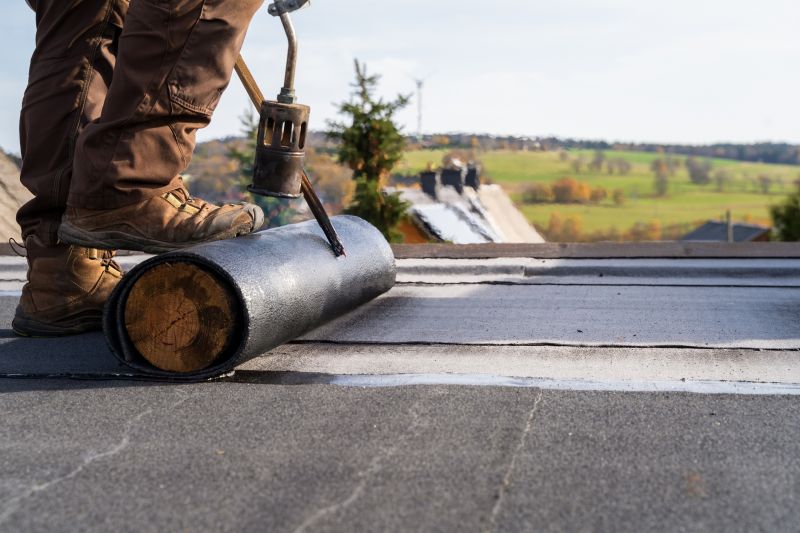



Use consistent comparison criteria across local contractors by clearly defining scope, verifying experience, and documenting expectations in writing.
- Scope Definition - Clearly outline the specific roofing materials, design, and coverage area to be installed.
- Material Specifications - Specify the types, brands, and quality standards of roofing materials to be used.
- Work Procedures - Detail the installation process, including preparation, layering, and finishing steps.
- Experience Verification - Confirm the experience level and past project history of local contractors handling roof installations.
- Written Agreement - Ensure all scope details, responsibilities, and expectations are documented in a formal contract.
When comparing contractors for roof installation, it’s important to assess their experience with similar projects. Homeowners should inquire about the types of roofs they have worked on and the complexity of past installations. Contractors with a proven track record in handling projects comparable in size, style, and material can offer insights into their familiarity with the specific requirements of the job. This background helps ensure that the service providers are well-versed in managing the unique aspects of different roofing systems, reducing the likelihood of unforeseen issues during the project.
A clear, written scope of work is essential when evaluating roofing contractors. This document should outline the specific tasks involved, including the materials to be used, the extent of work, and any preparatory or finishing steps. Having a detailed scope helps prevent misunderstandings and sets clear expectations for both parties. Homeowners should review these documents carefully, ensuring that all aspects of the project are covered and that there is a shared understanding of what the work entails before proceeding.
Verification basics are key to making an informed decision. This includes confirming that contractors have the appropriate experience with similar roof installations and verifying their references or past projects. Requesting a list of completed jobs similar to the current project can provide valuable insight into the quality of work and professionalism. Additionally, understanding the contractor’s process for handling unforeseen issues or changes during the project can help set realistic expectations and ensure a smoother experience from start to finish.
When evaluating options, homeowners should focus on the contractor’s experience, clarity of scope, and verification of past work rather than price alone. Comparing the details of each proposal-such as the scope of work, project approach, and references-can help identify the most suitable service providers. It’s also beneficial to ask questions about their process, communication methods, and how they handle potential challenges. This approach ensures that the decision is based on quality, expertise, and transparency, leading to a more confident choice of contractor for the roof installation.
Ask contractors to provide written scope details to ensure clear understanding and consistent expectations.
- Experience and Track Record - How long have the local contractors been performing roof installations in the area?
- Scope of Work - What specific tasks and materials are included in the proposed roof installation?
- Comparison of Services - How do the services offered by different local service providers differ in scope and approach?
- Project Expectations - How will the scope and responsibilities be documented to ensure clear expectations?
- Expertise and Specializations - Do the local contractors have experience with the specific type of roof and materials needed for the project?
How can homeowners compare contractors for roof installation? Homeowners should review credentials, check references, and compare the scope of work outlined by different service providers to ensure they meet project needs.
What should be included in a scope of work for a roof installation? A clear scope of work should specify the roof type, materials, surface area, and any additional services or preparations required for the project.
How can I verify the experience of local contractors? Verify experience by reviewing past projects, requesting references, and confirming how long the contractor has been performing roof installations in the area.
Why is it important to get written estimates and agreements? Written estimates and agreements help set clear expectations, define the scope, and serve as a reference for the work to be performed, reducing misunderstandings.
What questions should be asked when evaluating roof installation contractors? Ask about their previous experience, the materials they recommend, how they handle project scope, and whether they provide written documentation of the agreed-upon work.
How can I ensure the scope of work is comprehensive before hiring a contractor? Review the detailed proposal carefully, ensuring all aspects of the project are included, and clarify any uncertainties through written communication before proceeding.
By exploring the information provided, visitors can gain a clearer understanding of how to evaluate and compare contractors for roof installation. Learning to define the scope of work, verify experience, and set expectations in writing helps ensure a well-informed decision-making process. Utilizing the quote form allows for easy comparison of options among trusted service providers in the area, making it simpler to find the right match for specific project needs.
Taking the time to connect with local contractors through the quote form can streamline the process of identifying qualified service providers. This approach supports making informed choices by encouraging direct comparison and detailed communication. Engaging with these local professionals helps lay the groundwork for a successful roof installation experience tailored to individual requirements.