
Compare Local Contractors for Roof Damage Inspection Services
Compare local contractors for roof damage inspection to verify experience, define scope, and set clear expectations in writing for a trusted, quality assessment.
Roof damage inspections performed by contractors typically involve a thorough assessment of the roof’s condition, including identifying areas affected by leaks, missing or damaged shingles, and other signs of wear or structural issues. These inspections often include examining the roof’s surface, evaluating the integrity of flashing and gutters, and checking for underlying problems that may not be immediately visible. The goal is to determine the extent of the damage, pinpoint potential causes, and gather information that can inform repair or replacement decisions. Understanding what a roof damage inspection covers helps property owners ensure that all relevant issues are identified and documented accurately.
Defining the scope of a roof damage inspection is essential for setting clear expectations and avoiding misunderstandings with contractors. A well-defined scope outlines what areas will be examined, what specific issues will be looked for, and what reports or documentation will be provided. This clarity helps property owners compare bids or proposals more effectively, ensuring that each contractor’s assessment aligns with their needs. Additionally, a detailed scope can serve as a reference point throughout the project, supporting transparency and accountability in the work process.
When evaluating local contractors for roof damage inspections, property owners should consider factors such as experience, reputation, and the thoroughness of their inspection process. Comparing multiple service providers involves reviewing their credentials, understanding their approach to inspections, and verifying their familiarity with the types of roofing materials and structures common in the area. It can also be helpful to ask for references or examples of previous inspections. By gathering this information, property owners can make informed decisions, ensuring that the chosen contractor is capable of providing a comprehensive assessment that meets their specific needs.
Compare local contractors by outlining priorities, verifying experience, and setting clear expectations in writing.
- Compare Contractor Experience - review the backgrounds and expertise of local contractors to ensure they are qualified for roof damage inspections.
- Define Inspection Scope - clearly outline what areas and issues the contractor will assess during the inspection.
- Verify Service Details - confirm the scope of work, methods used, and deliverables are documented in writing.
- Assess Contractor Credentials - evaluate the reputation and track record of local service providers before making a selection.
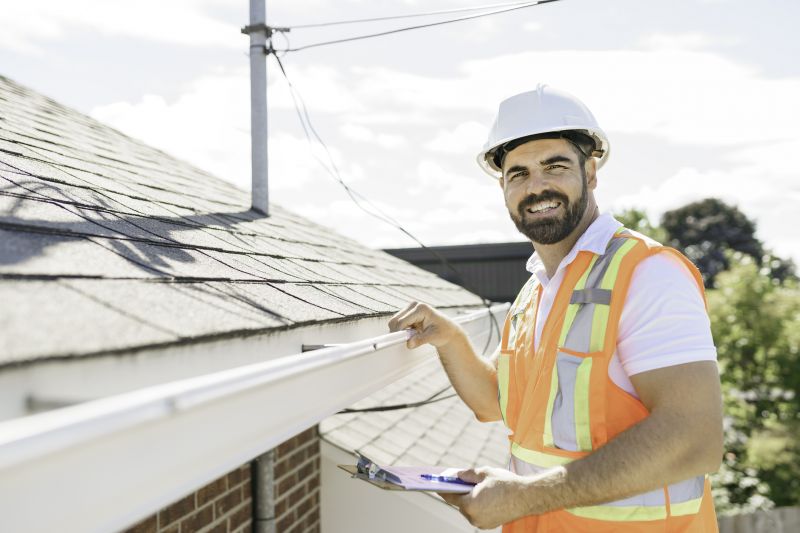
Clearly describe your roof damage inspection project to help compare service providers, define scope, and verify experience effectively.
- Inspect for visible damage or missing shingles that may indicate underlying issues. - Look for signs of curling, cracking, or blistering on the roof surface.
- Examine flashing, vents, and chimneys for gaps, corrosion, or damage that could lead to leaks. - Check for areas where sealant or materials appear worn or deteriorated.
- Assess the overall roof structure for sagging or uneven surfaces that could suggest structural concerns. - Note any areas where the roof appears to dip or has irregular alignment.
- Look for water stains or mold on ceilings and attic spaces that may point to hidden leaks. - Identify signs of moisture infiltration that require further investigation.
- Verify the experience and reputation of local contractors specializing in roof inspections. - Ensure service providers have a history of thorough and accurate assessments.
- Define the scope of the inspection in writing to clarify what areas and issues will be evaluated. - Establish clear expectations and coverage for the inspection process.
Use this to compare local contractors, clarify scope, verify experience, and set clear expectations.
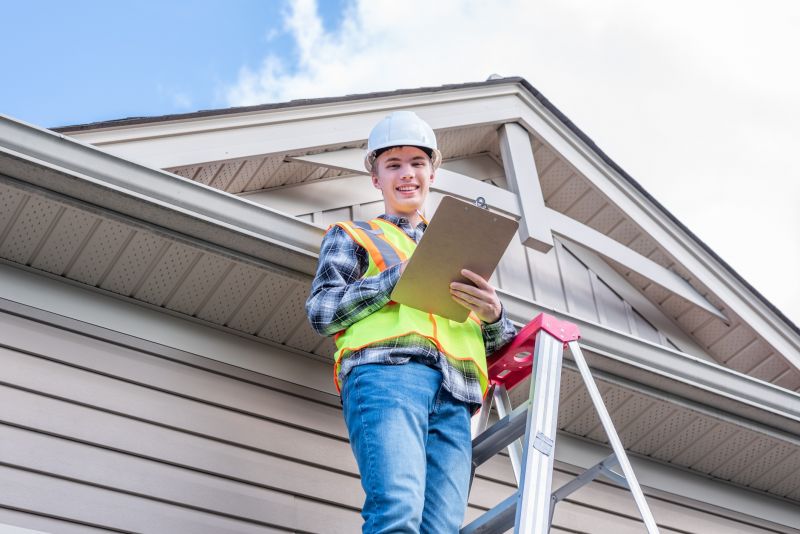
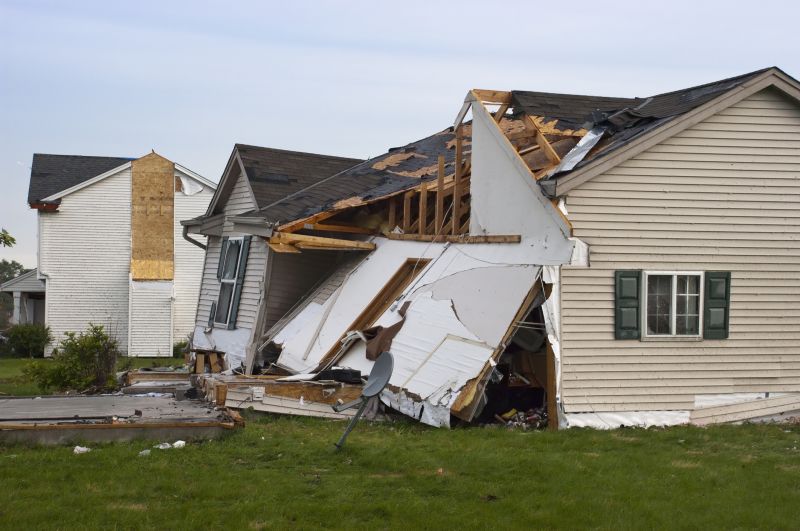
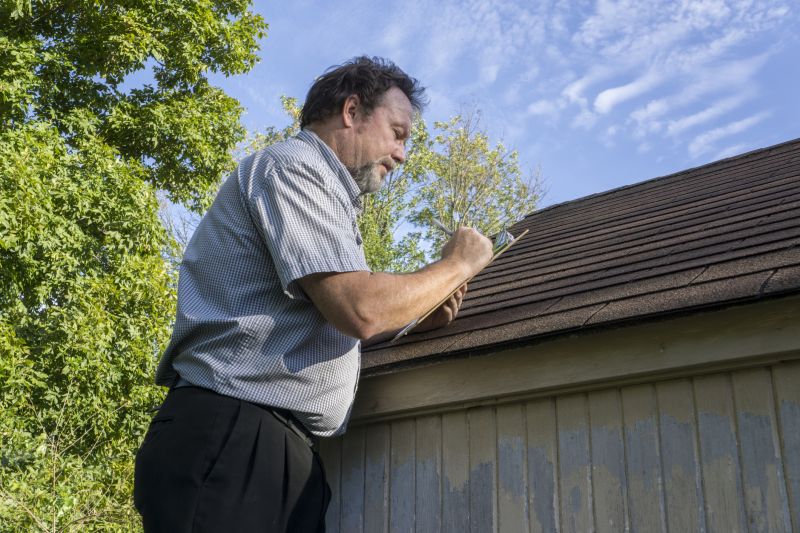
Use consistent comparison criteria to evaluate local contractors’ scope, experience, and written expectations for roof damage inspections.
- Visual Inspection - Identify and document visible signs of roof damage such as missing or broken shingles, curling, or cracking.
- Structural Assessment - Determine if there are any signs of structural issues, including sagging or compromised roof decking.
- Leak and Water Damage Check - Look for evidence of leaks, water stains, or mold that indicate underlying roof problems.
- Damage Extent Definition - Clarify the scope of damage to establish whether repairs or full replacement may be necessary.
- Documentation and Reporting - Ensure detailed notes and photographs are taken to support the scope of work for local contractors.
When choosing contractors for roof damage inspections, it is important to evaluate their experience with similar projects. Homeowners should inquire about how long a service provider has been performing roof inspections and whether they have handled cases comparable to their specific situation. Contractors with a history of inspecting roofs affected by storm damage, leaks, or other common issues are more likely to understand the nuances involved and deliver thorough assessments. Verifying a contractor’s familiarity with different roofing materials and damage types can help ensure they are equipped to accurately identify issues and provide reliable insights.
A clear, written scope of work is essential when comparing roof damage inspection services. Homeowners should seek detailed descriptions of what the inspection will include-such as the areas covered, the methods used, and the type of report or documentation provided afterward. A well-defined scope helps set expectations and prevents misunderstandings about what the inspection entails. Service providers who can articulate their process in writing demonstrate professionalism and transparency, making it easier for homeowners to compare options based on the thoroughness and clarity of their offerings.
Verification basics involve confirming a contractor’s ability to reliably assess roof damage without necessarily relying on formal licensing or certification. Homeowners should look for service providers who can explain their inspection process, including how they identify signs of damage and verify the extent of issues. Asking about their experience with different roofing systems and damage scenarios can help gauge their competence. It’s also helpful to verify that the contractor uses appropriate tools and techniques to ensure a comprehensive evaluation, which can contribute to a more accurate understanding of the roof’s condition.
Evaluating options without focusing on prices involves reviewing how different contractors communicate their approach and the quality of their work. Homeowners should compare written scopes, inquire about the experience with similar projects, and assess the clarity and thoroughness of each provider’s explanation. It’s valuable to consider how well each service provider can articulate their inspection process and the level of detail they plan to deliver. By focusing on the professionalism, transparency, and expertise demonstrated in their communications, homeowners can make informed decisions about which contractors are most capable of providing a reliable roof damage inspection.
Ask contractors to provide written scope details to ensure clarity and consistency throughout the roof damage inspection process.
- Experience and Credentials - What experience do local contractors have specifically with roof damage inspections?
- Scope Definition - How clearly do contractors outline the extent of damage they will assess during the inspection?
- Inspection Process - What methods or tools do service providers use to identify and evaluate roof damage?
- Scope of Work - How do contractors specify the work required to repair or address the damage found?
- Written Agreement - Do service providers provide a detailed, written scope of work and inspection findings for comparison?
What should I look for in a roof damage inspection contractor? It's important to compare local contractors based on their experience, reputation, and the scope of services they offer. Ensure they provide clear details about their inspection process and what to expect during the evaluation.
How can I verify a contractor's experience with roof damage inspections? You can review their background, ask for references, or check reviews and ratings from previous clients. Confirm that they have handled similar inspection projects in your area.
What questions should I ask a contractor before hiring for a roof inspection? Ask about their process for assessing roof damage, how they define the scope of work, and whether they provide written documentation of their findings and recommendations.
Why is it important to get a written scope of work from a contractor? A written scope clearly outlines the inspection process, areas to be evaluated, and expected deliverables, helping to set accurate expectations and avoid misunderstandings.
How do I compare different contractors for roof damage inspection services? Review their experience, scope of work, communication clarity, and reputation. Request detailed explanations of their inspection methods and what will be included in their assessment.
What role does experience play in choosing a roof damage inspection contractor? Experienced contractors are more likely to accurately identify damage, define the scope of work properly, and provide comprehensive assessments, leading to better-informed decisions about repairs.
This page has provided an overview of how to find and compare contractors for roof damage inspection services. Visitors learned the importance of clarifying the scope of work, verifying experience, and setting clear expectations in writing to help ensure a smooth process. By exploring local service providers, it’s possible to find options that align with specific needs and preferences.
Using the provided quote form allows for easy comparison of available local contractors, helping to identify professionals who can handle roof damage inspections. Taking the time to review and evaluate multiple options can support making informed decisions when selecting a service provider for the job.